Remote coverage
Service locations describe where we can support the work.
Remova Tech is a remote-first managed IT and AI partner. The locations on this page are service areas, not a claim that we operate a staffed office in every city shown. We work with renewable-energy and technology teams through secure calls, shared workspaces, documented access, implementation sessions, and agreed support channels.
A service area is useful when the work crosses borders. A solar developer may have sales in one country, field partners in another, and a finance team working from several time zones. An AI workflow may need to connect a CRM, a support inbox, a document library, and an approval process without asking everyone to be in the same room. Our job is to make the ownership, controls, and handoffs clear wherever the people are based.
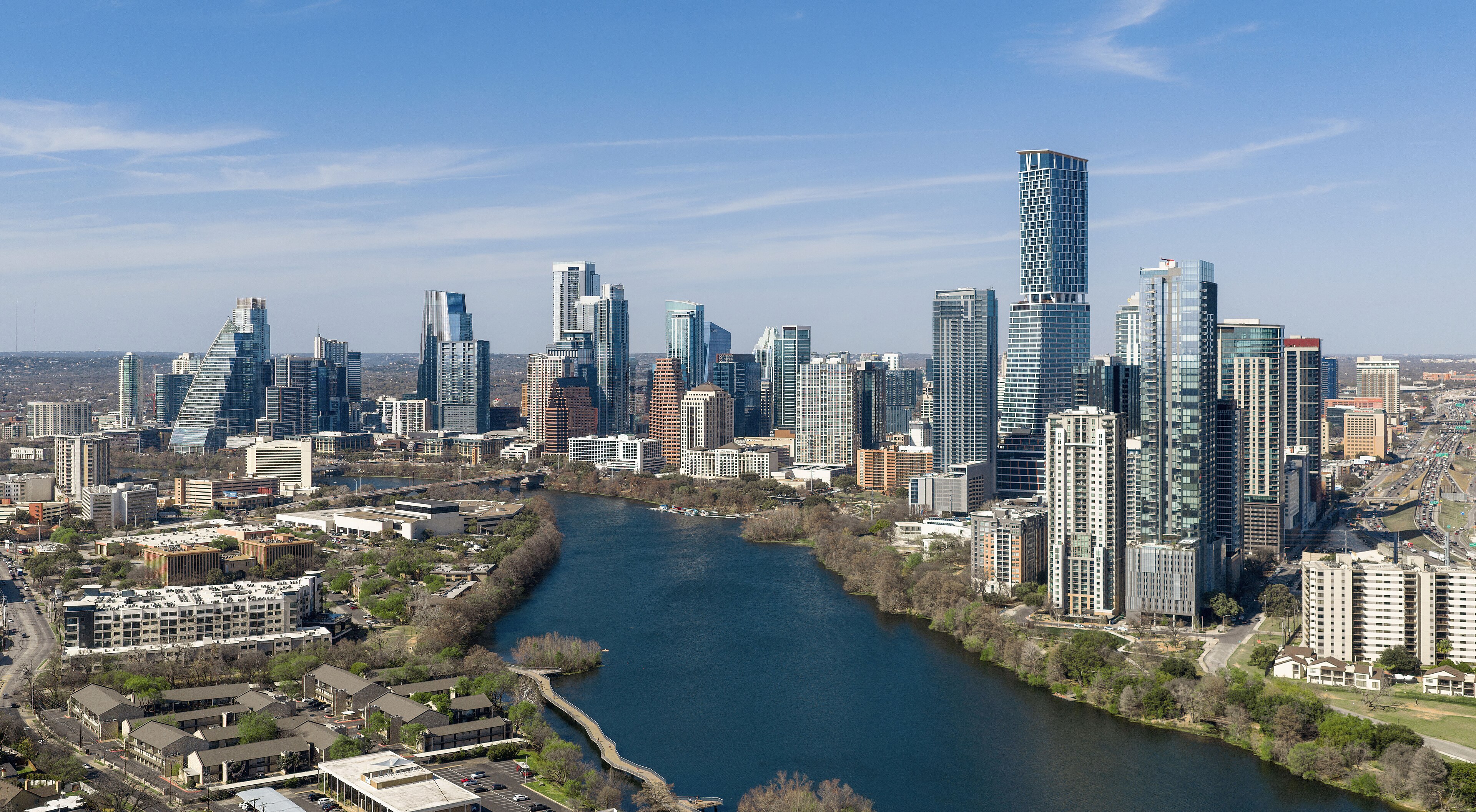
Austin
Remote AI planning, managed IT, security, and workflow support for teams operating in and around Austin.

Charlotte
A remote delivery route for growing businesses that need clearer technology ownership and safer automation.

Columbus
Support for operational teams that want an AI opportunity review, implementation plan, or dependable platform help.

Dallas
Remote help for distributed teams balancing daily support, security controls, and process improvement.

Fort Worth
A service-area example for renewable-energy organisations that need practical, accountable technology support.
What remote delivery includes
Discovery can happen by video call with the people who understand the process. We use screen sharing, workflow diagrams, sample records, and written decisions to build a shared picture. When a platform needs attention, access is agreed deliberately and documented so your team knows what changed.
Implementation may include Microsoft 365 or Google Workspace administration, user and group changes, device and access reviews, workflow integrations, AI application setup, knowledge retrieval, reporting, training, and support. The exact route depends on the systems and responsibilities already in place.
Time zones and response
We agree working hours, escalation contacts, and response expectations before ongoing support begins. A distributed team may need handoffs across Europe, North America, or other regions; a clear record of open work matters more than a promise that every person is awake at the same moment.
For urgent incidents, the first priority is containment and communication. For planned improvements, the priority is a sequence that people can test, learn, and support. We keep those routes separate so an urgent request does not quietly consume the time reserved for a planned project.
Choosing the right market page
Use the directory to find a city or region that matches your team, but read the page as a service conversation rather than a local-office listing. The same questions apply everywhere: what work is blocked, which data is involved, who owns the result, and what evidence would make a first step worthwhile.
If your city is not listed, contact us anyway. A location link is not a boundary around our capability. We can usually decide fit from your operating model, time zone, platforms, and support expectations.
Coverage without invented offices
We show cities to make service discovery easier, not to imply a physical branch, local employees, or on-site availability that has not been agreed. If an engagement needs travel, a site visit, or a local specialist, we discuss that requirement during scoping. Otherwise, the work stays remote-capable, documented, and connected to the people accountable for delivery.
Location fit
The right support arrangement starts with the operating model.
Before we scope work, we ask how your teams collaborate across offices, sites, and time zones. A company with one central operations group may need a different response rhythm from a business with local sales teams, travelling installers, and an external finance provider.
We also ask which responsibilities are already covered. You may have an internal technology lead, a local field-service provider, a finance platform partner, or a security consultant. Our role can be a complete managed route, a defined platform responsibility, an implementation partner, or a second set of eyes on a decision that carries risk.
Location affects context, but it does not replace the fundamentals. We still need a named owner, an agreed access method, a record of the current setup, and a way to communicate when a planned change or incident affects several teams. Those foundations make remote delivery calmer and make local coordination easier when travel or on-site support is genuinely required.
If you are comparing providers, ask what happens after the first call. A credible service-area partner can explain how work is prioritised, where tickets and decisions are recorded, how urgent issues are escalated, how user access is protected, and how a workflow is handed back to your team when the engagement ends.
The map is an invitation to start that conversation. Choose the closest page, describe the work that needs to move, and tell us which people or systems must remain in control. We can then confirm fit, identify the first review, and give you a route that matches the reality of your organisation rather than the appearance of a city list.
For renewable-energy organisations, that reality can include project managers moving between sites, sales teams working from different regions, installers who need timely information, and leadership teams that need a defensible view of risk. We design the support route around those handoffs, so a location page leads to a useful operating discussion rather than a generic promise of availability.
Remote does not mean distant. It means the working agreement is explicit: who responds, where evidence is kept, which channels are monitored, and how the team learns from recurring issues. Those details are what make a distributed service dependable.
That is the promise behind every marker on the map: a clear route to responsible support.
A city page can also help your colleagues join the conversation. Share the link with the person who owns operations, the colleague responsible for security, or the manager who is tired of rebuilding the same report. They can see the service boundaries, the remote working model, and the questions we will bring to discovery before anyone has to prepare a formal brief.
From there, the work becomes specific: a list of systems, a defined process, a named owner, a review window, and a decision about what happens next. That specificity is what turns broad geographic coverage into useful service.
Featured market page
AI Agency & IT Services in Paris
A people-led service line for Paris renewable-energy teams: AI applications, managed IT, cybersecurity, and resilience.